Activities for Seniors at Home: 25 Practical Ideas
Good activities for seniors at home tend to be ordinary ones: a stretch before lunch, a puzzle on the table, a song from 1962, a call with a grandchild. The 25 ideas below use things most homes already have. Each one lists what you need, how to do it, what it costs, how to adapt it for weaker eyesight, and how to scale it up or down.
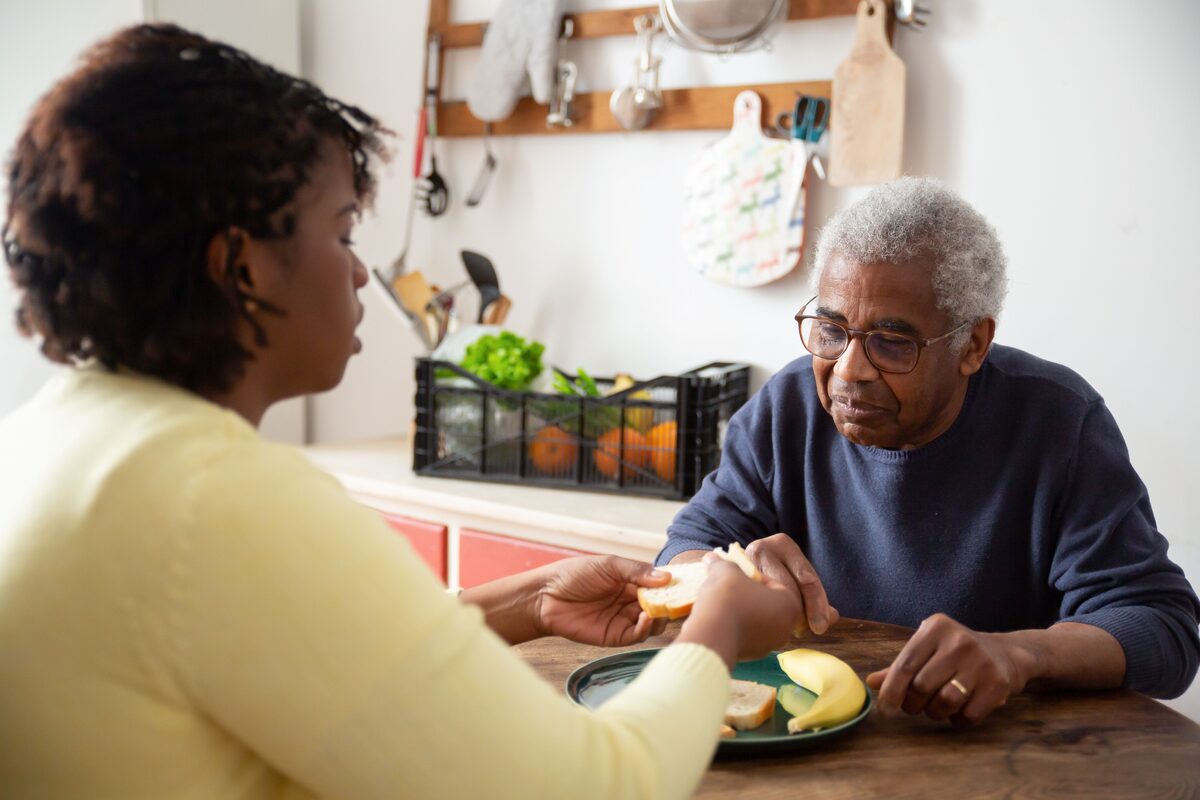
How to pick at-home activities that will actually get done
Start with what the person already likes. The Alzheimer's Association, writing about people with dementia, puts it as "focus on enjoyment, not achievement" and suggests sticking with familiar interests and adjusting them as abilities change; the same approach works for anyone. A few practical rules:
- Pick a time of day. Many people have more energy at a particular time. Put one activity there and keep it.
- Set it up in advance. A puzzle already open on the table gets done; one in a closet does not.
- Offer two choices, not an open question such as "what do you want to do?"
Cost labels used below: Free, Low: household items, Some purchase. We have not put a price on any product here.
Movement activities for seniors at home (ideas 1-5)
The CDC's guidance for adults 65 and older is at least 150 minutes a week of moderate activity, muscle-strengthening on at least 2 days, and balance activities; people who cannot reach that should be "as physically active as your abilities and conditions allow." Ask a doctor what is safe before starting anything new, and see the CDC fall-prevention tips in the safety section.
1. Seated band workout
Materials: sturdy chair with arms, light resistance band. Cost: Some purchase.
- Sit tall, feet flat.
- Loop the band under both feet and pull the ends up toward the shoulders, slowly, as many times as the doctor or therapist suggests.
- Hold the band in both hands at chest height and pull it apart.
Low-vision option: talk through each move instead of demonstrating. Easier / harder: no band, arms only / a firmer band. The CDC lists resistance bands among muscle-strengthening options for adults with disabilities.
2. Indoor walking loop
Materials: a clear route through two or three rooms. Cost: Free.
- Walk the route first and remove anything that could trip someone.
- Walk it together, at the person's pace, with their usual walker or cane.
- Count laps on a sheet on the fridge.
Low-vision option: turn on every light along the route. Easier / harder: one room / add a lap each week.
3. Sit-to-stand practice
Materials: a solid chair against a wall. Cost: Free.
- Sit near the front of the seat, feet under the knees.
- Lean forward and stand, using the armrests if needed.
- Sit back down slowly; repeat a few times.
The CDC names standing up from a seated position as a balance activity. Low-vision option: a contrasting cushion makes the seat edge easy to see. Easier / harder: use arms / cross arms over the chest. Safety: stand beside the person the first few times.
4. Heel-to-toe walk at the counter
Materials: a kitchen counter to hold. Cost: Free.
- Stand facing along the counter, one hand on it.
- Place one heel directly in front of the other toe.
- Take a few steps, turn and come back.
Low-vision option: a strip of painter's tape on the floor as a line. Easier / harder: normal steps along the counter / lighter hand contact. Heel-to-toe walking is a CDC balance example.
5. Kitchen dance
Materials: music. Cost: Free.
- Pick three songs the person knows.
- Sway, march in place or move the arms, seated or standing.
- Rest between songs.
Low-vision option: clear the floor and keep the lights up. Easier / harder: arms only, seated / standing with a partner's hands.
Puzzles, reading and word activities (ideas 6-10)
6. A jigsaw left out on the table
Materials: jigsaw puzzle, a tray or board. Cost: Some purchase (or swap with neighbors and the library).
- Turn all pieces face up.
- Sort edges into one pile.
- Build the frame, then fill by color.
Low-vision option: fewer, larger pieces and a bright lamp. Easier / harder: 100 pieces or fewer / 500 and up. Safety: leave out small pieces if your relative tends to mouth objects.
7. Crossword or word search
Materials: puzzle book, pencil. Cost: Low or Some purchase.
- Do the first clue together.
- Leave the book open at the same chair each day.
- Check answers together.
Low-vision option: large-print puzzle books, or enlarge a page on a copier. Easier / harder: word search / cryptic crossword.
8. Audiobooks or read-aloud time
Materials: a book or audio player. Cost: Free through libraries.
- Choose a genre the person used to read.
- Read or play one chapter at a set time.
- Talk about what happened.
Low-vision option: NLS, the Library of Congress talking-book program, lends audiobooks, braille and playback equipment at no charge to people who are blind, have low vision, or have a physical or reading disability that gets in the way of reading print. Call 800-424-8567 or apply online. Easier / harder: short stories / a long series.
9. Categories, out loud
Materials: none. Cost: Free.
- Pick a category: flowers, cars, cities.
- Take turns naming one each.
- Whoever runs out picks the next category.
Easier / harder: allow hints / names must start with a given letter. More in easy games for seniors.
10. A weekly card or bingo game
Materials: a deck of cards or bingo cards. Cost: Low.
- Fix a day and time.
- Invite one neighbor or relative.
- Keep score on a pad if the person enjoys it.
Rules and adaptations are in the bingo guide.
Hands-on tasks around the house (ideas 11-15)
The Alzheimer's Association notes that everyday tasks such as setting the table can give a sense of success, and gives sorting coins as an example for a former office worker.
11. Folding laundry
Materials: a basket of towels. Cost: Free.
- Seat the person at a table.
- Hand over one item at a time.
- Stack by type.
Low-vision option: sort by feel, towels against socks. Easier / harder: washcloths / matching socks and shirts.
12. Simple baking
Materials: a familiar recipe, bowls, measuring cups. Cost: Low.
- Lay out ingredients first.
- The person measures and stirs; you handle the oven.
- Share the result with someone.
Low-vision option: rewrite the recipe in big dark letters. Easier / harder: stir-only mix / a recipe from their own box. Safety: hot oven, knives and stove stay with the helper.
13. Houseplant care
Materials: plants, small watering can. Cost: Low.
- Check soil with a finger.
- Water dry pots.
- Pick off dead leaves.
Low-vision option: check soil by touch. Easier / harder: one sturdy plant / start cuttings in water.
14. Make a greeting card
Materials: card stock, markers, glue stick. Cost: Low.
- Fold the card.
- Decorate the front.
- Write a message and mail it.
Low-vision option: thick markers on light card. Easier / harder: stickers / hand lettering. For step-by-step projects and what each one needs, see crafts for seniors.
15. Sort a drawer or recipe box
Materials: one drawer, a few containers. Cost: Free.
- Empty onto a tray.
- Sort into keep, give away, toss.
- Label the containers.
Low-vision option: thick marker labels. Easier / harder: one small tray / a whole cupboard.
Music and memory activities (ideas 16-20)
16. A personal playlist
Materials: phone, smart speaker or CD player. Cost: Free to Some purchase.
- Ask which singers they loved as a young adult.
- Build a list of 15 to 20 songs.
- Play it at a regular time.
Low-vision option: voice commands on a smart speaker. Easier / harder: one album / a themed list per decade.
17. Label the photo albums
Materials: albums, sticky notes. Cost: Low.
- Take one page at a time.
- Ask who, where and when.
- Write the answers on notes.
Low-vision option: a magnifier and a bright lamp; NEI suggests both. Easier / harder: just talk / write a caption per photo.
18. Record a family story
Materials: phone voice recorder. Cost: Free.
- Pick one question: a first job, a wedding day.
- Record ten minutes.
- Send it to family.
Low-vision option: fully spoken, no reading needed. Easier / harder: yes-or-no prompts / a series on one decade.
19. Sing-along
Materials: printed lyrics. Cost: Free.
- Choose three well-known songs.
- Print lyrics large.
- Sing together.
Low-vision option: lyrics in very large type, or none for songs they know. Easier / harder: hum along / learn a new song.
20. Old-movie afternoon
Materials: TV. Cost: Free to Low.
- Choose a film from their youth.
- Turn on captions.
- Pause halfway for tea and a chat.
Low-vision option: sit closer; ask if the TV offers audio description. Easier / harder: a half-hour episode / a double feature.
Keeping in touch and looking outward (ideas 21-25)
21. Scheduled video call
Materials: tablet or phone on a stand. Cost: Free with existing internet.
- Agree on the same day and time each week.
- Have a helper start the call.
- Plan one thing to show: a plant, a photo.
Low-vision option: turn up text size and contrast in the device settings, which NEI recommends. Easier / harder: five minutes / a call with several relatives.
22. Window birdwatching
Materials: feeder, bird seed, notebook. Cost: Some purchase.
- Hang the feeder in view of a favorite chair.
- Note visitors each morning.
- Look them up in a field guide.
Low-vision option: listen for birdsong instead. Easier / harder: just watch / keep a monthly tally.
23. Letters to a pen pal
Materials: paper, envelopes, stamps. Cost: Low.
- Pick a relative or friend.
- Write or dictate one page.
- Mail it on the same day each week.
Low-vision option: a felt-tip pen and bold-lined paper, or dictation. Easier / harder: a postcard / a monthly long letter.
24. Porch or patio time
Materials: a stable chair, shade. Cost: Free.
- Check the step out is clear and lit.
- Bring water and a hat.
- Stay 20 to 30 minutes.
Low-vision option: a handrail and a lit doorway. Easier / harder: sit by an open window / walk to the mailbox. Safety: avoid midday heat.
25. Plan the week's menu
Materials: notepad, grocery flyers. Cost: Free.
- Ask for three dinners they would like.
- Write the grocery list together.
- Cook one of them together.
Low-vision option: read the flyer aloud. Easier / harder: pick one meal / plan the whole week. For help with cooking itself, see senior meal preparation.
Safety for at-home activities
The CDC reports that more than one out of four older people falls each year. Its fall-prevention steps include asking a doctor to evaluate fall risk and review medicines, doing leg-strength and balance exercises, an eye exam at least once a year, removing things you could trip over, grab bars by the tub and toilet, railings on both sides of stairs, and brighter light bulbs. For the activities above, also keep hot pans, sharp tools and small pieces under a helper's control when that is needed.
Doing these activities with a companion caregiver
Many families find activities happen more reliably when someone is there to set them up. A companion caregiver can lay out the puzzle, start the video call, walk the indoor loop and handle the oven while your relative does the measuring. When you interview, ask which activities a candidate has done with older adults and agree on a short weekly plan. Activities a companion caregiver can help with lists what is typically included, and companion care cost covers pay.
On CaregiverConnect you can post a companion job for free and hire the person directly; we do not run background checks (see safety). Read about companion care first, or go straight to caregivers in your area.
Frequently asked questions
What are good activities for seniors at home?
Ones that match what the person already enjoys: a seated band routine, a jigsaw, audiobooks, folding laundry, old favorite songs, video calls, birdwatching.
How much activity should an older adult get each week?
The CDC recommends at least 150 minutes of moderate activity a week for adults 65 and older, plus muscle-strengthening on 2 days and balance activities. Where that is out of reach, its advice is to stay as active as health and ability permit. Ask a doctor first.
What can seniors with poor eyesight do at home?
Audiobooks (free from the NLS for eligible readers), music, sing-alongs, categories games, large-print puzzle books and video calls with larger text. NEI suggests brighter lights, magnifiers and larger-text phone settings.
How do I keep an elderly parent busy at home?
Set up one or two activities at a fixed time each day, offer two choices instead of an open question, and keep sessions short. Household tasks such as folding towels or sorting a drawer count.
Are these activities free?
Most are free or use household items. A few, such as a resistance band, jigsaw or bird feeder, need a purchase. We have not priced or tested any product.
Can a caregiver do activities with my parent?
Yes. Activities and conversation are core companion care. You can agree a weekly activity plan as part of the job.
Sources
- CDC, Older adult activity: an overview (weekly recommendations, balance examples)
- CDC, Physical activity for people with disabilities (resistance bands, adapted yoga, talk to a doctor)
- CDC, Older adult falls data
- CDC, Older adult fall prevention
- Alzheimer's Association, Activities (daily care)
- Library of Congress, National Library Service for the Blind and Print Disabled
- National Eye Institute, Low vision
- University of Wisconsin-Madison Extension, Chippewa County: Gardening tips for older adults (heat and sun)
Ready to find a caregiver?
Post what you need for free and see which caregivers near you apply.