Reacher and Grabber Tools: Choosing and Using One
A reacher, also sold as a grabber or pick-up tool, is a long arm with a trigger at one end and a pair of jaws at the other. It lets someone pick up a dropped pill bottle or pull a sweater off a high shelf without bending low or climbing. It is simple and cheap compared with most equipment, but choosing the right length and grip still matters.

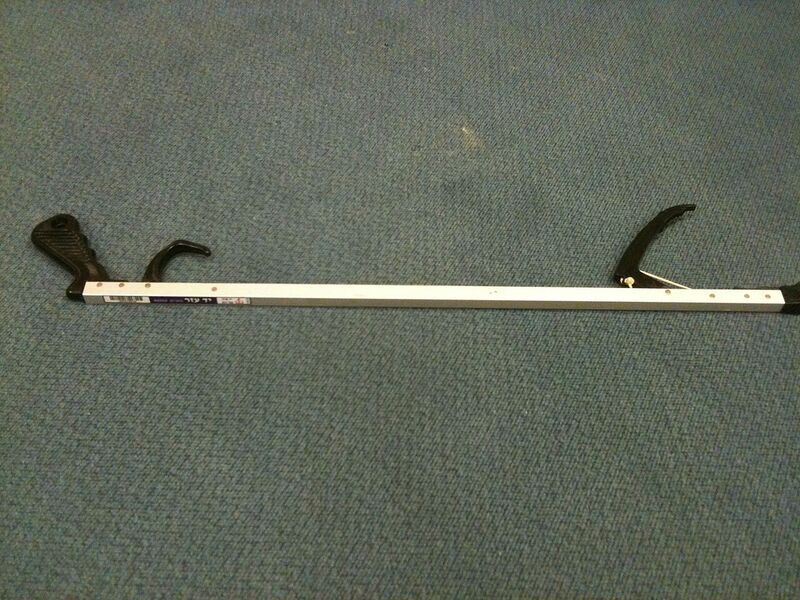

Who may benefit from a reacher
Reachers often appear in recovery plans after joint surgery. MedlinePlus, from the National Library of Medicine, lists a reacher among the items to have at home before knee or hip surgery, for picking things up from the floor, pulling on pants and taking off socks. Its hip replacement instructions tell patients to use a reacher, a long-handled shoehorn and a sock aid so they do not bend too far, and to avoid bending the hip past a right angle.
Others who may find one useful include people with stiff backs or knees, those who use a walker or wheelchair and cannot easily reach the floor, people with limited shoulder movement, and anyone who is unsteady when bending. Manufacturer material also pitches reachers at people with arthritis or weak hands, and at reducing the load on family members.
When to ask a professional: if the person has had hip surgery, the surgeon or therapist decides which movements are safe, and the reacher should fit those instructions. A physical or occupational therapist can also show how to use one with a walker or from a chair. If bending and reaching are hard because of new dizziness or weakness, mention it to the doctor rather than relying on a tool.
How we wrote this guide
We did not buy or try any reacher. We make no money from links on this page and accept no sponsored placement. Health and recovery points come from MedlinePlus; coverage points from Medicare.gov and the CMS national coverage determination for durable medical equipment; falls data from the CDC; and help-paying options from ACL, the AT3 Center and VA. Lengths and trigger pressures are taken from one manufacturer's pages, read on November 3, 2026, to show the kind of specs to compare.
Types of reacher compared
| Type | Length (examples read Nov. 3, 2026) | Key features | Good for | Watch for |
|---|---|---|---|---|
| Standard trigger reacher | 26 to 32 in. | Pistol grip, fixed jaw, lightweight aluminum frame on one model | Everyday pick-up from the floor or a low shelf | Trigger pressure differs: 7 oz on one model, 12 oz on another |
| Folding reacher | Up to 32 in. | Folds flat for a bag, car or walker basket | Travel and outings | Check the fold lock is secure before use |
| Magnetic-tip reacher | 32 in. on one model | Small magnet at the tip; 5.4 oz on that model | Keys, coins, pins, metal lids | Magnet only picks up iron or steel items |
| Rotating-jaw reacher | 32 in. on one model | Jaw turns to grip at different angles | Items on shelves at awkward angles | More parts to check |
The figures come from Drive Medical U.S. product pages and its own articles, used as neutral examples only. None of the pages we read gives a lifting limit, so check the label or manual before trying to lift anything heavier than light household items.
How to choose a reacher: fit, features and safety
Length
Have the person hold a reacher while seated and while standing (with their walker or cane if they use one) and try picking up a sock from the floor. If they still have to lean far forward, it is too short; if the tip waves around and is hard to control, it may be too long. A seated wheelchair user often needs a different length from someone standing.
Trigger and grip
The force needed to close the jaws is sometimes printed on the package: 7 ounces on one model and 12 ounces on another we checked. Lower is easier on arthritic or weak hands. Have the person squeeze it several times in a row before deciding.
Jaws
Jaw linings differ, so test the grip on something smooth, such as a plastic bottle. A rotating jaw helps with items on deep or high shelves. A magnetic tip is useful for dropped keys or pins.
Weight of the tool
Lightweight aluminum models weigh a few ounces (5.4 ounces on one 32-inch model). Have the person hold it out at arm's length for a minute to judge.
Safety
Do not use a reacher to lift heavy, hot or breakable things from high shelves, such as cast-iron pans or full glass jars; store those within easy reach instead. MedlinePlus advises keeping things you need between waist and shoulder height so you do not have to stretch up or bend down.
Reacher costs, coverage and care
Medicare: reachers do not appear on Medicare's published lists of covered durable medical equipment. CMS's national coverage list does not mention them, and it turns down a comparable household aid, grab bars, on the grounds that they are self-help items rather than primarily medical ones. Plan to pay yourself unless the person's plan confirms coverage in writing. Medicare Advantage plans set their own extra benefits, so a call to the plan costs nothing.
Other routes: before a planned hip or knee operation, ask the surgical or therapy team which aids they want at home and whether they supply any. Each state's assistive technology program, funded by ACL and listed by the AT3 Center, offers some mix of device demonstrations, short-term loans and reused equipment. A Veteran who uses VA health care may raise it with their VA clinician as assistive technology, which VA describes as devices for people with physical, sensory or cognitive impairments. State Medicaid home and community-based services programs differ, so ask the state office. We do not quote prices because our sources do not list them.
Care: wipe the jaws clean, check that the rubber pads are not split, and replace the tool if the shaft bends or the trigger sticks. Hang it on a hook or clip it to a walker so it is always nearby.
Reacher limitations and safety
- It does not replace safe storage. A reacher is for light items; heavy or fragile ones belong on lower shelves.
- Leaning still carries risk. Reaching forward from a chair or walker shifts the body's weight. Falls are common at this age (the CDC counts more than one older adult in four each year), so use the tool from a stable position: seated with feet flat, or standing with the walker brakes locked.
- It does not override surgical precautions. After hip surgery, follow the surgeon's limits on bending even with a reacher in hand.
- Grip strength varies. Some people cannot hold the trigger closed long enough to carry an item across a room. If so, try a lower-pressure model or a bag on the walker.
- Not for climbing. A reacher should replace the step stool, not be used from one.
How a caregiver can help with daily reacher use
- Keep one reacher in each main room, or clip one to the walker or wheelchair, so it is never across the house when something drops.
- Move everyday items to between waist and shoulder height, so the reacher is a backup, not a daily necessity.
- Practice together: socks, a TV remote, a pill bottle, a light sweater from a shelf.
- After hip surgery, go over the dressing routine from the hospital: sit down, use the reacher to bring pants over the feet, never bend forward.
- Check the jaws and trigger each week.
- Notice tasks the tool cannot solve, such as heavy laundry or the bottom of the tub, and plan help for those.
If dressing, bathing or toileting needs more than a tool, a personal care caregiver can help with those routines, and mobility assistance covers transfers and walks. You can post a care job on CaregiverConnect without paying anything and speak with caregivers directly; there is no agency in the middle and no background screening by us, so read how to check a caregiver, then find a caregiver near you. Looking for a present? Our gift ideas for seniors has more.
Frequently asked questions
What is a reacher grabber used for?
Picking up light things from the floor or high shelves without bending or stretching. MedlinePlus also lists it for pulling on pants and taking off socks after knee or hip surgery.
What length reacher is best for seniors?
Common lengths are 26 to 32 inches. Pick one that lets the person reach the floor from their usual position without leaning far forward, and that they can still control.
Does Medicare cover reachers?
Reachers are not on Medicare's published DME lists, and CMS denies comparable self-help items such as grab bars as not primarily medical. Expect to pay out of pocket unless a plan confirms otherwise.
Are reachers good for arthritis?
They can help avoid bending and stretching. Look at the trigger pressure: one model we checked needs 7 ounces to close and another 12 ounces. Lower is easier on sore hands.
How much weight can a grabber tool lift?
None of the spec pages we read lists a limit. Check the label, and use a reacher only for light items.
Should I use a reacher after hip replacement?
MedlinePlus recommends one, along with a sock aid and long-handled shoehorn, to avoid bending too much. Follow the specific precautions your surgeon or therapist gives.
Sources
- MedlinePlus, Getting your home ready: knee or hip surgery
- MedlinePlus, Taking care of your new hip joint
- Medicare.gov, Medicare Coverage of Durable Medical Equipment & Other Devices (CMS Product No. 11045, PDF)
- CMS, NCD 280.1 Durable Medical Equipment Reference List
- CDC, Facts about older adult falls
- ACL, Assistive technology (state AT programs)
- AT3 Center, Find a state assistive technology program
- VA, Assistive Technology (Rehabilitation and Prosthetic Services)
- Drive Medical, Reachers: independence in reach (lengths, folding, trigger pressure; read 2026-11-03)
- Drive Medical, Hand-Held Reacher RTL5023 (spec page, read 2026-11-03)
- Drive Medical, Simple strategies to prevent falls (magnetic-tip reacher details; read 2026-11-03)
- Drive Medical, Everyday aids for arthritis and dexterity (rotating-jaw reacher; read 2026-11-03)
Ready to find a caregiver?
Post what you need for free and see which caregivers near you apply.